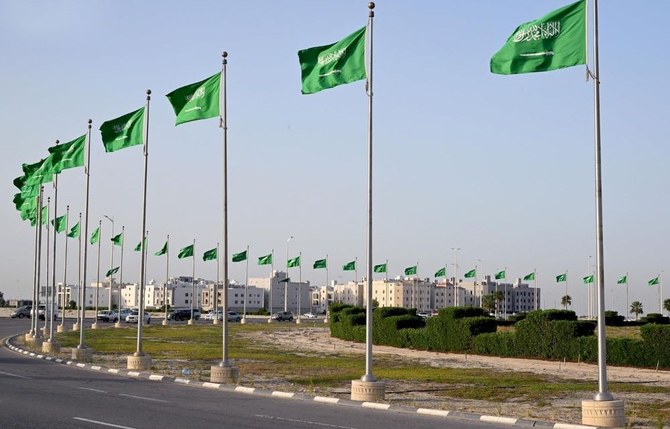
Saudi Arabia on Monday reiterated its stern condemnation of Iranian attacks on the Kingdom and Gulf Cooperation Council member states, calling them unacceptable violations of international law.
Riyadh insists it will take all necessary measures to protect its security and sovereignty, reject unfounded Iranian claims, and resist escalation.
In a statement issued on March 9, 2026, the Kingdom reaffirmed that it retains the full right to take all necessary measures to safeguard its security, sovereignty, and the safety of its citizens and residents, and to deter further aggression.
Saudi officials described the targeting of civilian facilities, airports, and oil infrastructure as direct threats to regional security and stability, constituting blatant violations of international conventions and international law.
The renewed denunciation comes as Iran has conducted a series of missile and drone strikes across the Gulf region in retaliation to a sustained campaign by the United States and Israel against Iranian military and strategic targets.
The conflict has seen attacks not only on military installations but also on civilian infrastructure, prompting condemnations from several Gulf Cooperation Council (GCC) members including Qatar over strikes on residential areas.
Saudi Arabia’s Foreign Ministry addressed statements made by Iranian President Masoud Pezeshkian, who had indicated that Iran did not intend to attack neighbouring countries.
Riyadh countered that such statements have not been borne out in practice, noting that Iran has continued its attacks on the Kingdom and other states based on what the Saudi statement described as “baseless justifications that have no basis in fact.”
The statement also rejected Iranian claims that Saudi aircraft were participating offensively in the conflict.
Riyadh clarified that fighter jets and refuelling aircraft operating from its territory were conducting defensive patrols aimed at protecting the airspace of Saudi Arabia and other GCC states from Iranian missiles and drones, not engaging in offensive actions against Iran.
Saudi Arabia stressed that Iran’s ongoing actions do not reflect efforts to avoid a wider escalation, and warned that Tehran could be the greatest loser if the confrontation expands further.
Targeting of key energy infrastructure, including oil installations, was singled out as a deliberate attempt to undermine regional stability and disrupt vital civilian services.
The broader context of these statements is the wider Middle East conflict that erupted in late February 2026 when joint U.S.–Israeli airstrikes struck multiple Iranian targets, prompting Iranian retaliation across the region.
Civilians and military personnel alike have been affected, with global media reporting over 1,300 Iranian civilian deaths among the broader casualty figures in the war’s first weeks.
Attacks have included strikes on oil refineries, airports, and residential areas in Gulf states, leading to strong diplomatic responses from several governments.
Qatar and Bahrain have condemned Iranian strikes on their soil, and increased interceptions of missiles and drones over the Gulf have heightened concerns over civilian safety and economic stability.
The Saudi government’s announcement comes amid ongoing diplomatic efforts among Gulf states to coordinate their responses and strengthen collective security in the face of repeated Iranian military actions.
The GCC Secretary‑General has engaged with member foreign ministers to unify positions and affirm support against external aggression.
As tensions continue, Riyadh has made clear that it is prepared to take all necessary actions under international law to ensure its national security and protect its population, stressing that Iranian actions have undermined trust and increased the risk of further escalation in a region already grappling with widespread conflict.